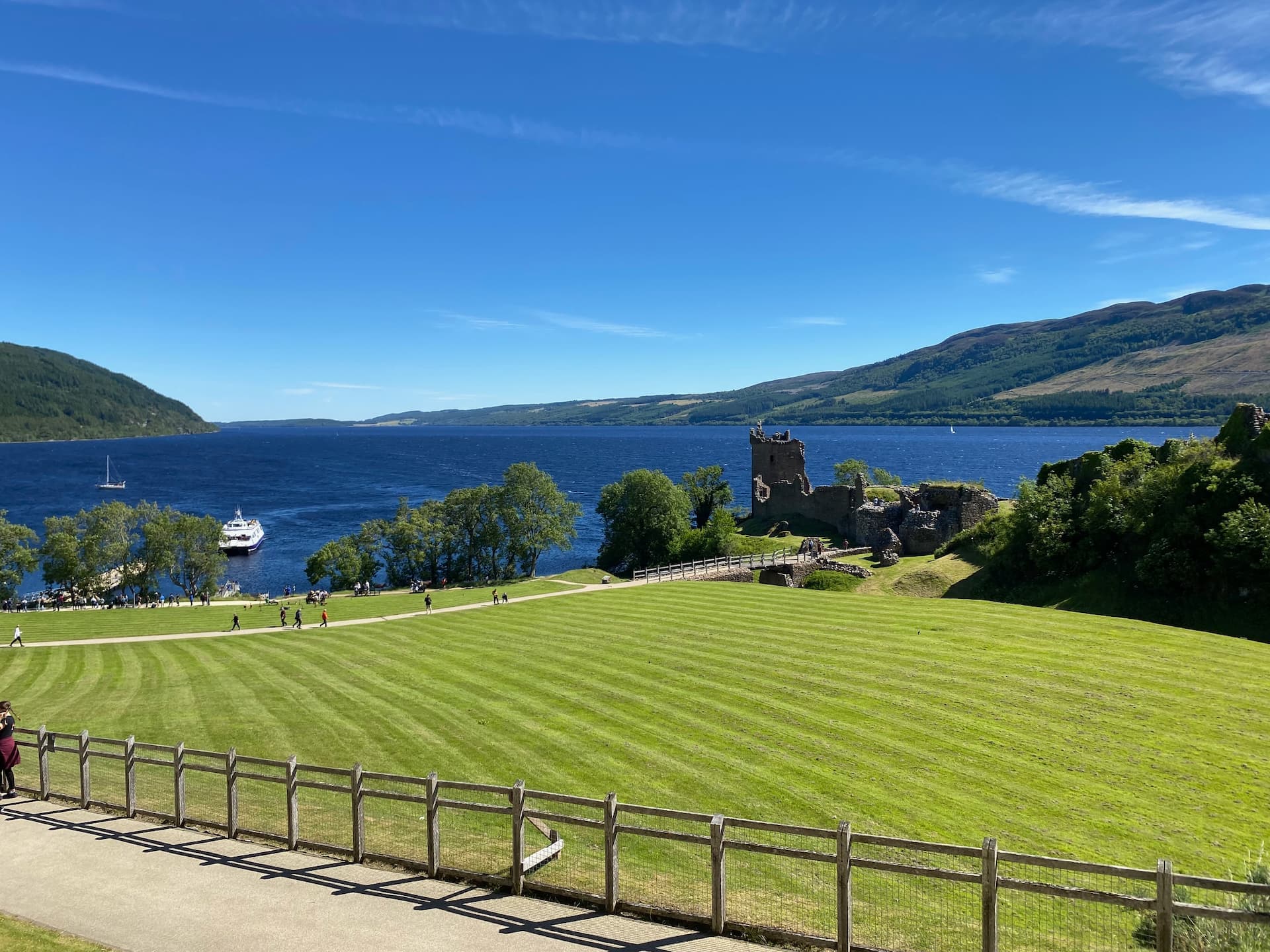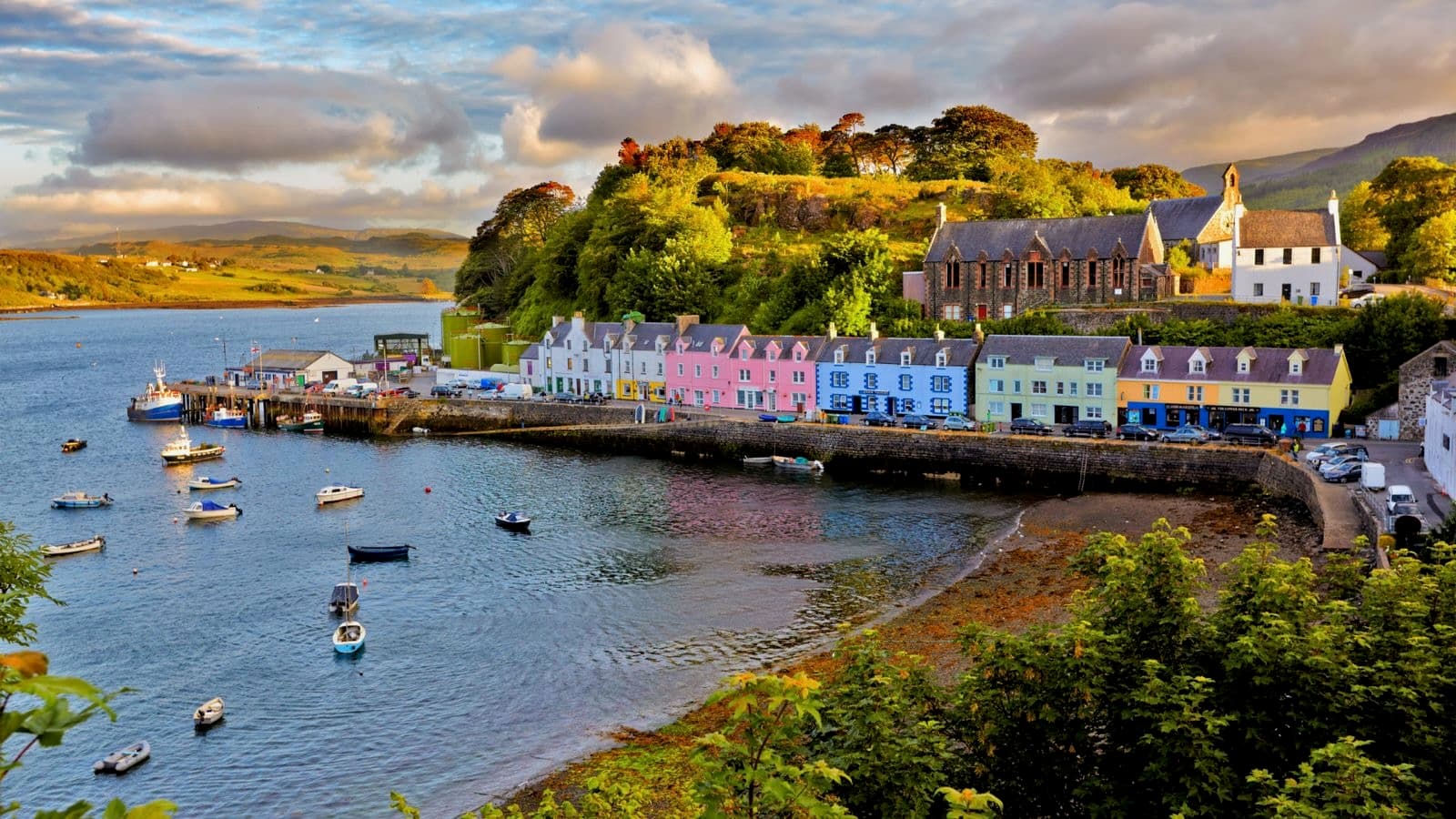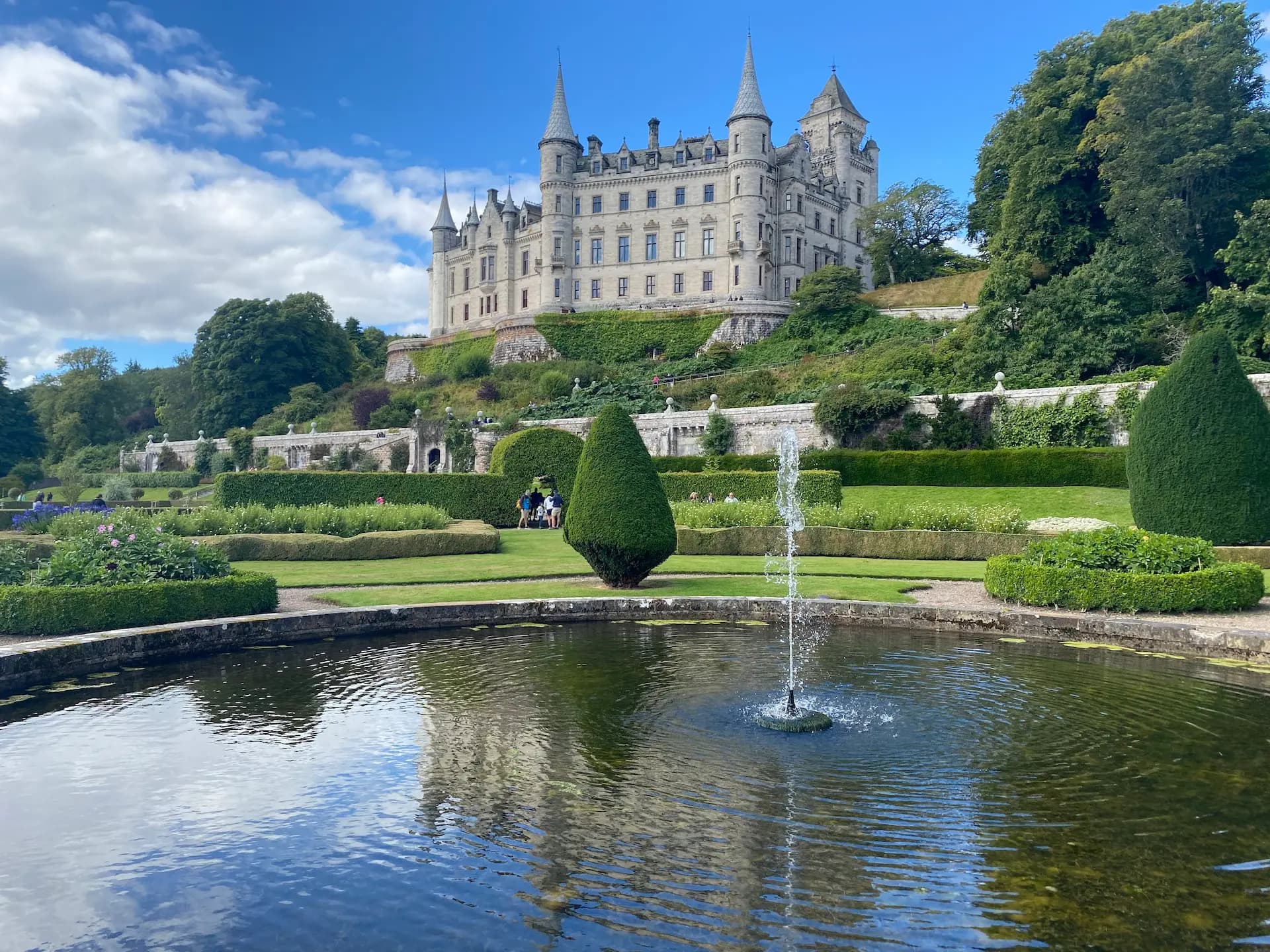
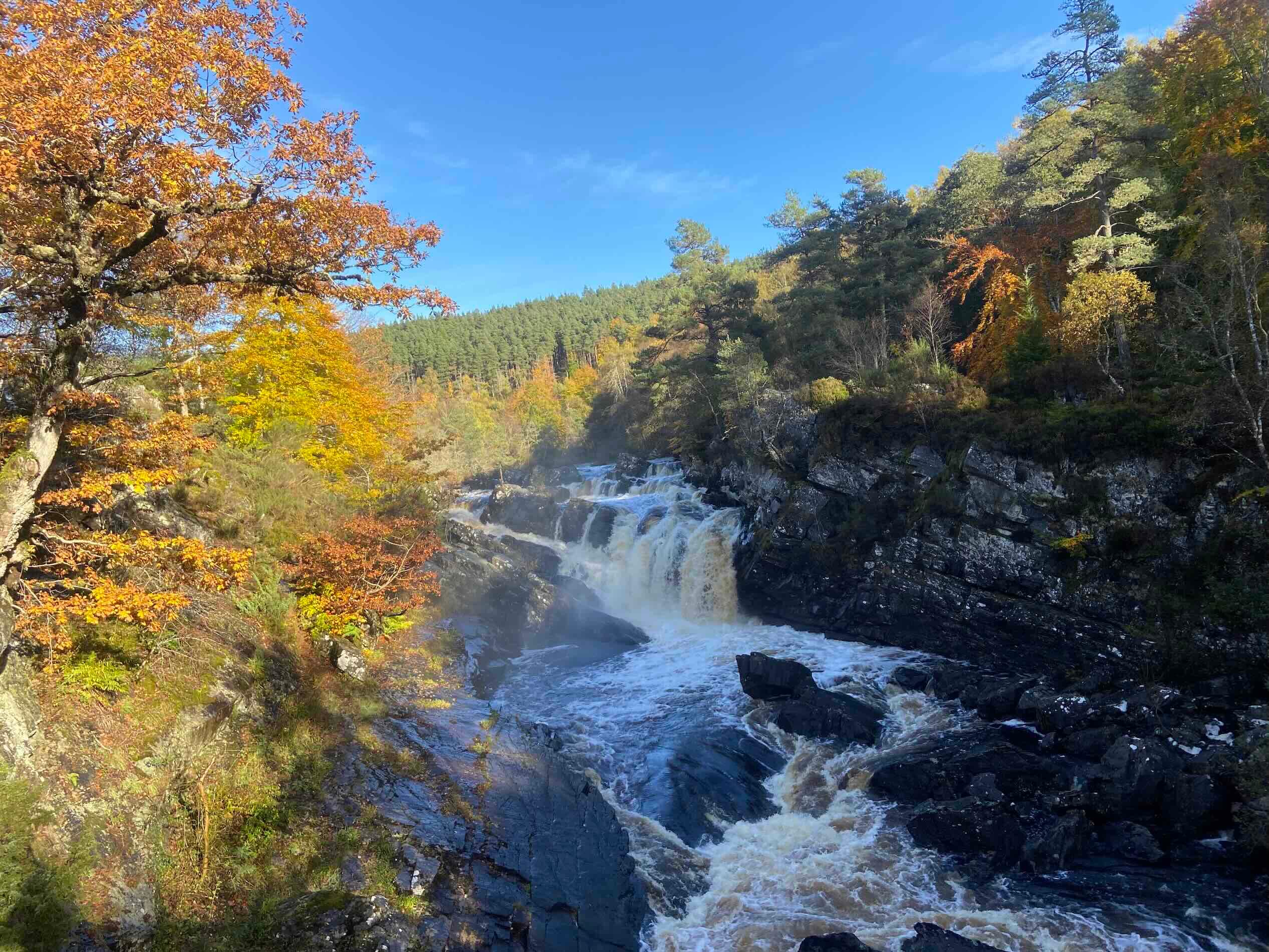
The North Coast 500 is one of the great road trips. 516 miles of single-track roads, mountain passes, empty beaches and more sheep than people. Thousands of visitors drive it themselves every year and have a brilliant time. Others hire a private driver-guide and have a different kind of brilliant time. This is an honest look at both options — when self-driving works, when a driver is the better call, and the things that catch people out regardless.
If you are already set on not driving, see private driver Scotland and multi-day private tours for how we quote full loops. We tie in Inverness airport transfers, wider Scotland airport transfers, and Inverness chauffeur scheduling where needed. Golfers add Scotland golf transfers on play days.
The honest case for self-driving the NC500
Let's start here, because self-driving genuinely is the right choice for some people. If you are a confident driver who is already comfortable on UK roads and driving on the left, you will be fine. If you enjoy driving for its own sake — the act of steering through a mountain pass, reading single-track roads, making your own decisions about when to stop — self-driving gives you total control. There is no schedule. Nobody is waiting for you. If you spot a loch you want to sit beside for 40 minutes, you just do it.
Hiring a car from Inverness is straightforward. Several rental companies operate from the airport and city centre. Costs vary from around £40–80 per day depending on the vehicle and season. Fuel is the main additional cost. If you are travelling on a tighter budget, self- driving is clearly the more affordable option.
Self-driving also works well for people who have driven in Scotland before, who already understand passing places and single-track etiquette, and who have a reasonable sense of how long Highland distances take. If you have done the A82 to Fort William or the A87 to Skye, the NC500 roads will not surprise you.
What catches self-drivers out
That said, certain things trip up first-time visitors year after year. None of these are deal-breakers on their own, but they stack up.
Left-hand driving. For visitors from the US, mainland Europe and most of the world, driving on the left requires constant concentration — especially on single-track roads where passing places are on both sides and you are simultaneously processing oncoming traffic, road width and an unfamiliar gear layout. It is manageable, but it is not relaxing.
Single-track roads with passing places. Large sections of the NC500 — especially the north and west coasts — are single-track. There is an etiquette to using passing places: pull left if the passing place is on your side, stop and let the other vehicle come to you if it is on their side. It sounds simple but takes practice, and in summer the roads are busy with campervans, cyclists and other tourists learning the same rules you are. Our guide to single-track roads covers the detail.
Fatigue. The NC500 looks like a reasonable distance on a map but the roads are slow. Average speeds on the west coast are 25–35mph. A section that looks like an hour on Google Maps can take twice that, especially in summer. By late afternoon, after five or six hours of concentrated left-hand driving on narrow roads, tiredness sets in.
Parking. Popular stops like the Old Man of Storr car park fill early in summer. The Bealach na Ba viewpoint has limited pull-offs. Durness, Lochinver and Applecross can be tight at peak times. A driver-guide knows the alternative spots; a self-driver is competing with everyone else.
Mobile signal. Large stretches of the west and north coasts have no mobile signal. Google Maps will not update. If you have not downloaded offline maps, navigation becomes guesswork. If you take a wrong turn on a single-track road, there may not be a turning point for a mile.
Accommodation. The NC500 corridor has limited rooms, especially in summer. If you are self-driving without pre-booked accommodation, you may find yourself driving an extra hour to find somewhere to sleep.
The scenic route that isn't. Not every brown-signed “scenic route” is worth the diversion. Some lead down potholed tracks to a viewpoint that is underwhelming in bad weather. A local driver-guide knows which detours pay off and which waste your time.
The case for a private driver
With a private NC500 tour, your driver-guide handles all the operational load: navigation, single-track road etiquette, parking, fuel, timing. You sit in the passenger seat of a Mercedes V-Class and look out the window. You stop whenever you want. You arrive at each destination without having spent mental energy on the road.
The practical difference is significant. On a self-drive trip, the driver is concentrating on the road and misses half the scenery. On a chauffeured trip, everyone in the vehicle sees everything. Your driver-guide points out the things you would drive past — the eagle circling above the A838, the otter in the sea loch, the ruined broch on the hillside.
Route flexibility is another advantage. If weather closes in on the west coast, your driver-guide knows where to redirect. If the car park at a popular stop is full, they know the alternative viewpoint 10 minutes up the road. That kind of local knowledge cannot be replicated with an app. Read our NC500 private tour guide for the full day-by-day breakdown.
Whisky, wine and the designated driver problem
This is the argument that wins most people over. The NC500 passes near six or more distilleries — Clynelish in Brora, Old Pulteney in Wick, Balblair near Tain, Wolfburn in Thurso, Glen Ord on the Black Isle, and Glenmorangie near Tain. Every good restaurant along the route serves Scottish craft beer, wine, or both. A private whisky tour of the NC500 means you taste everything without a second thought.
Self-driving means one person is always sober. On a couple's trip, that means one of you misses out at every distillery. On a five-day tour, that is a lot of drams you are not having and a lot of designated-driver resentment building. With a driver-guide, the problem disappears entirely. Both of you taste. Both of you enjoy the restaurant wine list at dinner. Nobody spits into a bucket at Clynelish. Browse our whisky tours across Scotland for more on how we handle distillery itineraries.
What a driver-guide adds beyond driving
A good driver-guide is not a chauffeur in the transfer sense. They are a walking encyclopaedia of the Highlands. They know which beach to visit at which tide. They know which castle is worth the entry fee and which you can see just as well from the road. They know where to see eagles, where the seals haul out, which viewpoint has the best light at 4pm versus 10am, and which restaurant is closed on Tuesdays.
This is not information you find on Google. It comes from living and working in the Highlands, driving these roads every week, eating in these restaurants, knowing the farmers and the ghillies and the distillery managers by first name. When we say chauffeur vs self-drive, the driving is only half the equation. The local knowledge is the other half, and it changes the trip from a road trip into something more personal.
We also handle the logistics that most visitors underestimate: accommodation bookings along the route (rooms sell out months ahead in summer), restaurant reservations, distillery tour bookings, ferry timings if you are adding Orkney or the Summer Isles. The full picture of what the NC500 involves often surprises first-time visitors.
Who should definitely use a private driver
First-time visitors to Scotland. Everything is new — the roads, the driving side, the distances, the weather patterns. A driver-guide lets you absorb the experience instead of managing it.
Anyone unused to left-hand driving. US, European and most international visitors. It is doable, but adding unfamiliar driving to unfamiliar single-track roads in unfamiliar weather creates a lot of cognitive load. A private driver in Scotland removes that entire layer.
Whisky enthusiasts. If distilleries are a priority, having a driver is not a luxury — it is a practical requirement. You cannot taste properly and drive safely on the same day.
Older travellers. The NC500 involves long driving days on demanding roads. If you would rather enjoy the trip without the physical and mental effort of driving, a driver-guide is the obvious solution.
Families. Children, winding roads, unfamiliar left-hand driving, and trying to spot wildlife from the driver's seat — not relaxing. With a driver, the whole family looks out the window together.
Couples on a special trip. Anniversary, honeymoon, significant birthday. If you have flown to Scotland for a once-in-a- decade trip, you both deserve to see the scenery, taste the whisky and not argue about passing places.
Who might prefer self-driving
Confident UK drivers who want total freedom and spontaneity. Backpackers and budget travellers — a hire car and campsites is a fraction of the cost. Campervan and motorhome travellers who are already committed to that style of trip. And people who genuinely enjoy driving remote roads as an activity in itself — there is a real pleasure in threading a good car through the Bealach na Ba or along the shore of Loch Eriboll, and a driver-guide takes that away from you.
Self-driving is a legitimate choice. We say that honestly. Not everyone needs or wants a driver-guide. But if you are on the fence, the practical advantages of having one are substantial — especially if left-hand driving, single-track roads or distillery visits are part of the picture.
How to book
We run private NC500 tours year-round from Inverness. Three, five and seven-day options. Every tour includes a Mercedes V-Class, a driver-guide who lives in the Highlands and drives these roads every week, all fuel and parking, and door-to-door collection from your accommodation or Inverness Airport. From £600 + VAT per day.
Get in touch to start planning. Tell us your dates, how many are travelling and what matters most to you — scenery, whisky, wildlife, history — and we will put together a route that fits. No deposit until you are happy with the plan.
Frequently asked questions
Is the NC500 hard to drive?
Parts of it, yes. The Bealach na Ba into Applecross has hairpin bends and steep gradients. Large sections are single-track with passing places. If you are used to US or European motorways, it takes adjustment.
Can I do the NC500 without a car?
Not easily by public transport. Buses are infrequent outside Inverness. A private driver is the practical alternative to self-driving.
Is a private NC500 tour worth the cost?
Depends on what you value. If you want to drink whisky at every stop, not stress about roads, and hear stories about every loch and castle from someone who lives here — yes.
Do I drive on the left in Scotland?
Yes. Scotland drives on the left. For visitors from the US, Europe, or elsewhere, this adds another layer of concentration on already demanding roads.
How much does a private NC500 tour cost?
From £600 + VAT per day. A 3-day tour is typically £1,800–2,000 + VAT. Covers vehicle, driver-guide, fuel, planning, and door-to-door collection.