
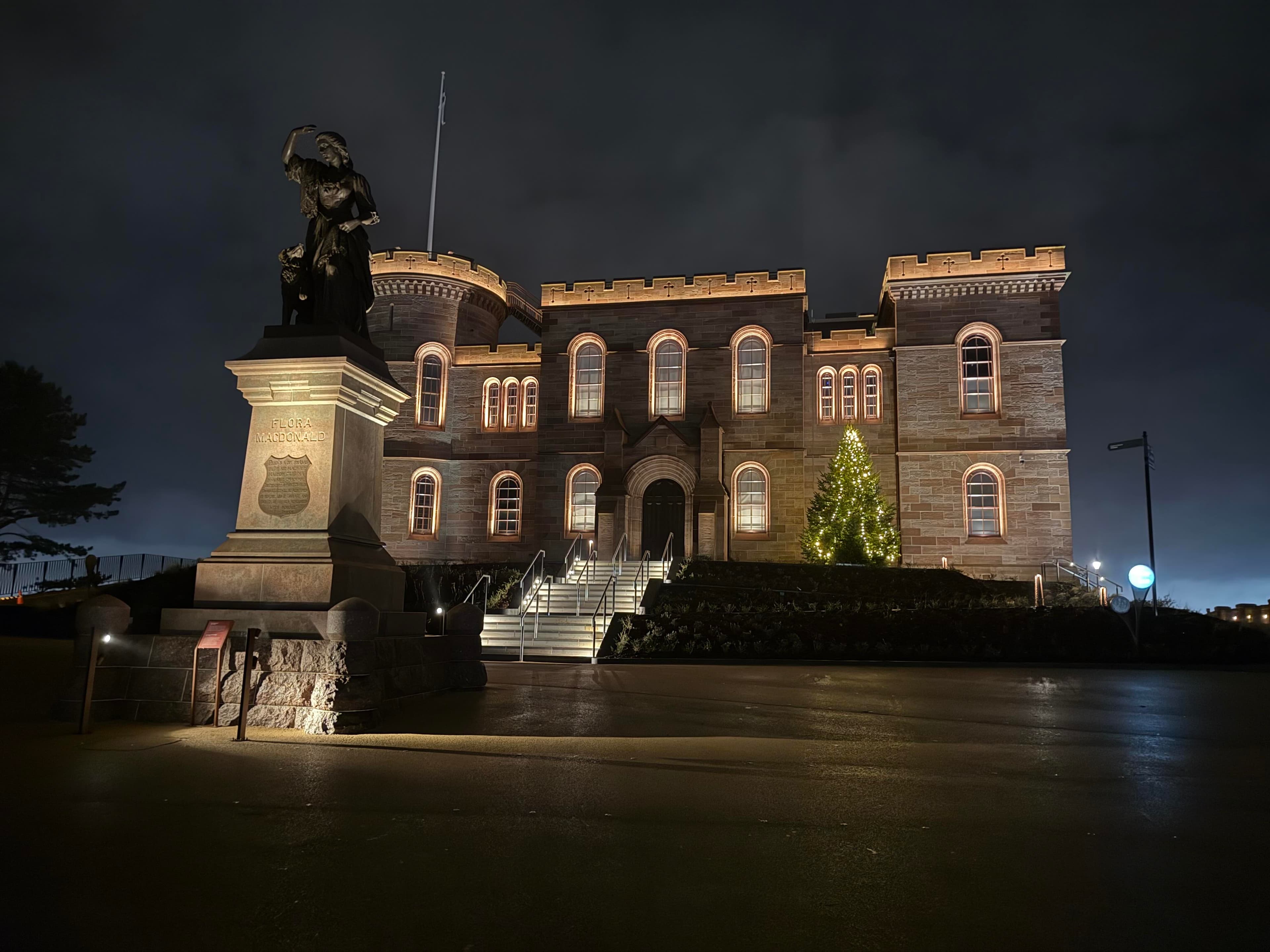
Scotland weather month by month
What to actually expect, when to visit, and how weather affects touring in the Highlands.
Scotland's weather is changeable. This is not a cliché – it is genuinely true. You can get four seasons in one afternoon, especially in the Highlands. But that changeability is part of what makes the landscape so dramatic. Moody skies, sudden clearings, rainbows over lochs – the weather here is part of the scenery.
Geography matters. The west coast (Skye, Fort William, Oban) is wetter and milder, thanks to Atlantic weather systems. The east (Inverness, Aberdeen, St Andrews) is drier and colder in winter. The Highlands sit in between with their own microclimates – temperature drops with altitude, and exposed routes catch more wind and snow.
The important thing: bad weather in Scotland is rarely dangerous, just damp. And it often clears quickly. The best approach is to prepare for rain, enjoy the sun when it comes, and know that the moodiest days produce the best photographs. Below is an honest month-by-month breakdown of what to expect.
See also: Daylight hours in Scotland by month and Best time to visit Scotland.
Weather by month
Average temperature ranges and conditions for central Scotland. The west is wetter, the east drier. Highland areas are colder with altitude. All figures are approximate. In settled warm spells and heat waves, temperatures can climb well above these averages – 20°C+ in May and 25°C+ in summer are not unusual. Weather in Scotland is very localised: one glen can be basking in sunshine while the next is under cloud.
January
0–6°C
Frequent rain and sleet
Short days. Snow on higher ground. Roads can be icy. Quietest time to visit.
February
1–7°C
Similar to January
Days getting longer. Snow still possible. Can bring crisp, clear days.
March
2–9°C
A mix of everything
Spring starts to show. Daffodils appear. Still cold mornings. Wind picks up.
April
4–11°C
Showers still common
Good touring month – fewer visitors, reasonable weather.
May
7–18°C
Often the driest month
Can be genuinely warm – 20°C+ in settled spells. Long evenings. Midges appear late May. One of the best months to visit.
June
10–20°C
Varies wildly year to year
Longest days. Can be warm and sunny or cool and damp. Heat waves can push temperatures above 25°C. Peak season begins.
July
12–22°C
Wettest month in many areas
Warmest month on average. 25°C+ in hot spells, though 15–18°C is more typical. Midges active. Long light evenings.
August
11–20°C
Similar to July
Edinburgh Festival month. Highlands often quieter while Edinburgh is packed. Warm spells still common.
September
9–15°C
Increasing gradually
Autumn starts. Beautiful colours. Midges fade. Excellent touring month.
October
6–12°C
Rain increases
Proper autumn. Stag rut in the Highlands. Colours peak. Days shorten.
November
3–8°C
Wet and windy
Getting cold. Early darkness. Northern Lights season begins.
December
1–6°C
Cold and damp
Snow on mountains. Festive atmosphere. 6–7 hours of daylight. Cosy and atmospheric.
East vs west – two different climates
West coast
Skye, Fort William, Oban. Wetter, milder, more dramatic weather. Atlantic systems bring frequent rain but also spectacular cloud formations and light. Mild winters rarely see hard frost at sea level.
East coast
Inverness, Aberdeen, St Andrews. Drier, colder in winter, more stable conditions overall. East coast haar (sea fog) is common in spring and early summer. Less rainfall but colder winds from the North Sea.
Highlands
Temperature drops with altitude. More snow, more wind on exposed routes. Glens can be sheltered while hilltops get battered. If one side of the country is wet, the other is often clear. Flexible itineraries help.
What the weather means for touring
Rain does not cancel a tour. It is part of the experience. Castles, distillery visits and museum stops are perfect for wet spells – and a shower often passes within the hour.
Wind affects ferry crossings to islands. Always have a backup plan if you are heading to Skye by ferry or crossing to Mull or the Outer Hebrides. CalMac publishes disruption updates.
Snow is mainly December to March on higher roads. The A9, A82 and A87 can be affected. We monitor conditions daily and adjust routes as needed. Main roads are gritted and kept open.
Fog is more common in autumn. It can affect views but creates dramatic atmosphere. East coast haar (sea fog) sometimes rolls in during spring and early summer.
Know what to bring: What to pack for Scotland.
Best months to visit
For weather
May and September. Drier than summer, fewer visitors, pleasant temperatures. Often the most rewarding months to visit the Highlands.
For long days
June and July. 17+ hours of daylight. Late sunsets and early dawns. Ideal for packing a lot into each day.
For value
November to March. Lower prices, fewer visitors, atmospheric scenery. Short days but dramatic light and a real sense of wildness.
For autumn colour
Late September to October. Birch, rowan and oak turn gold and russet. The stag rut is underway. Quieter roads and rich, warm light.
For snow on the mountains
December to February. Snow-capped peaks make for dramatic photography. Wrap up, plan for short days, and enjoy the winter landscape.
For avoiding midges
April, May, September or later. Midges are worst from late May through August, especially in still, damp conditions on the west coast.
FAQ
Does it rain every day in Scotland?
No, but be prepared for it on any day. Scotland averages 250+ days with some rain per year in the west, fewer in the east. But "rain" often means a passing shower, not a washout.
What is the warmest month in Scotland?
July, typically 12–22°C. In heat waves it can reach 28°C+ and sustained warm spells of 20°C+ are not uncommon from May through August. Weather is very localised, so sheltered glens and east coast towns can be noticeably warmer than exposed or west coast areas on the same day.
Is Scotland very cold?
Milder than people expect, thanks to the Gulf Stream. Winters rarely drop below −5°C at low levels. The wind chill can make it feel colder.
When is the best weather in the Scottish Highlands?
May and early June often give the best combination of warmth, light and dryness. May can surprise people – prolonged spells of 20°C+ are perfectly possible. September is also excellent. Weather varies enormously by location, so a flexible itinerary makes the most of conditions on the day.
Does it snow in Scotland?
Yes, mainly December to March. Mountains get regular snow. Low-level snow is less common but does happen. Main roads are gritted and kept open.
Is the weather different on Skye?
Skye is west coast, so wetter than the east. The Cuillin mountains create their own weather. It can be raining in Portree and dry in Broadford. Very changeable.
Should I cancel outdoor plans if rain is forecast?
No. Forecasts change quickly. A morning of rain often clears to a bright afternoon. Waterproof jacket and carry on.
How reliable are weather forecasts for Scotland?
24-hour forecasts are reasonable. Beyond that, take them as a guide. Mountain Weather Information Service (MWIS) is useful for Highland conditions.
Travel with someone who knows the weather
Private chauffeur and tours from Inverness. We plan around the conditions so you get the best out of every day.