The honest answer: there is no bad time to visit the Scottish Highlands. Every season has something the others don’t. We drive tours year-round and each month brings a different landscape – sometimes a different country.
But the question deserves a proper answer. The weather, daylight, crowds, costs, and what’s open all vary dramatically through the year. This guide gives you the facts month by month so you can choose what matters most to you.
Month-by-month overview
| Month | Avg high | Daylight | Highlights | Crowds |
|---|---|---|---|---|
| January | 6°C | 7 hrs | Up Helly Aa, Celtic Connections, snow sports, Northern Lights | Very quiet |
| February | 6°C | 9 hrs | Six Nations rugby, Inverness snowdrops, Northern Lights | Very quiet |
| March | 8°C | 12 hrs | Spring arriving, daffodils, lambing season, quieter roads | Quiet |
| April | 11°C | 14.5 hrs | Beltane, Mull Music Fest, castle season opens, wildflowers | Moderate |
| May | 14°C | 17 hrs | Orkney & Shetland folk festivals, Islay Fèis Ìle, puffins arrive, long evenings | Moderate |
| June | 16°C | 18.5 hrs | Midsummer near-endless daylight, TRNSMT, Royal Highland Show | Busy |
| July | 17°C | 18 hrs | Highland Games season, HebCelt, Commonwealth Games, Belladrum | Peak |
| August | 17°C | 15.5 hrs | Edinburgh Fringe & festivals, Highland Games, Tattoo, warmest month | Peak |
| September | 15°C | 13 hrs | Autumn colour begins, red deer rut, quieter roads, stable weather | Moderate |
| October | 11°C | 10.5 hrs | Peak autumn colour, Enchanted Forest, Northern Lights return | Quiet |
| November | 8°C | 8 hrs | St Andrew's Day, dramatic storms, lowest prices, Northern Lights | Very quiet |
| December | 6°C | 6.5 hrs | Edinburgh's Hogmanay, Christmas markets, snow, atmospheric light | Quiet (busy Hogmanay) |
Temperatures are approximate averages for the Inverness area. West coast is typically 1–2°C cooler with more rainfall. See our daylight hours by month guide for precise figures.
Spring: April & May
Spring is when the Highlands come alive. Daylight increases rapidly – from 14.5 hours in April to 17 hours in May. Temperatures climb into the low teens. Wildflowers carpet the glens. Castle and garden season opens (Cawdor, Dunrobin, Blair). Lambs appear in every field.
May is our favourite month for touring. The roads are quiet, prices are reasonable, the landscape is green and fresh, and you get astonishingly long evenings. The island festivals begin – Mull Music Festival, Skye Live, the Islay Festival (Fèis Ìle) with its whisky distillery open days. The Spirit of Speyside Whisky Festival runs late April to early May with 600+ events across 51 distilleries.
Summer: June, July & August
Summer is the warmest and busiest season. Average highs reach 16–17°C (occasionally warmer). June brings near-endless daylight – at midsummer, it barely gets dark in the Highlands, with almost 19 hours of usable light.
July and August are peak season. The Highland Games run across the country. Edinburgh hosts the Fringe, International Festival, Military Tattoo, and Book Festival simultaneously. Glasgow hosts the 2026 Commonwealth Games (23 July – 2 August). See our full festivals calendar.
Accommodation prices are highest in July and August, and popular attractions like Eilean Donan and the Isle of Skye are busy. Book well ahead. The trade-off is warmth, long days, and everything being open. See our summer tours for routes that make the most of the long June–August days.
Autumn: September & October
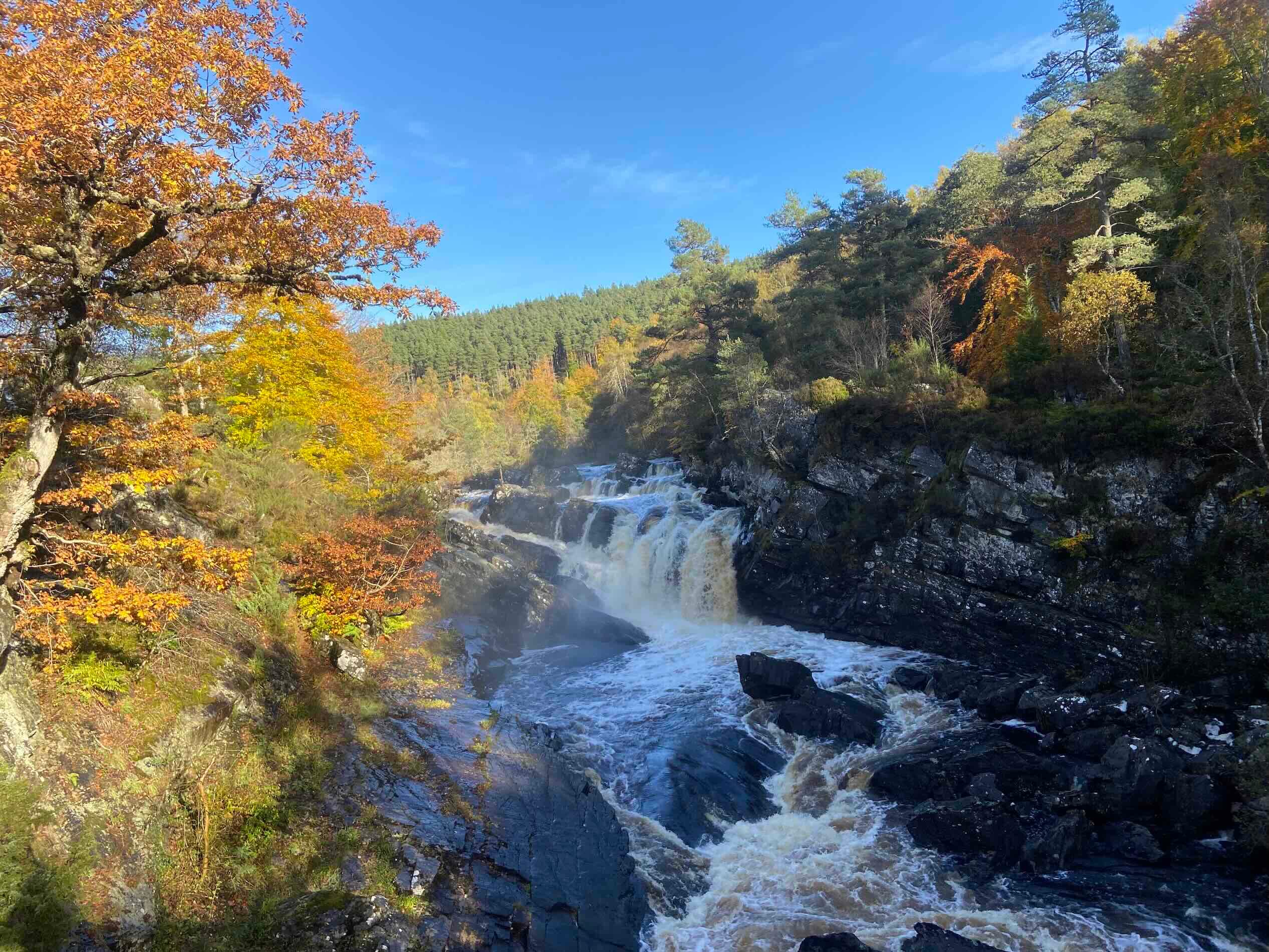
September is our other favourite month. The summer crowds thin, accommodation prices drop, and the weather is often surprisingly stable. The landscape begins its transformation: birches turn gold, bracken goes rust-red, and the hills take on deeper colours.
October brings peak autumn colour across the Highlands. The Enchanted Forest sound and light show opens at Pitlochry (8 Oct – 8 Nov). The red deer rut begins – stags roaring across the glens is one of the great Highland experiences. The Northern Lights become visible again from late September. Most castles remain open until late October. See our autumn tours.
Winter: November to March
Winter in the Highlands is not for everyone, and that’s part of the appeal. Daylight is short (6–7 hours in December), temperatures hover around 5–7°C, and some attractions close. But the landscape is at its most dramatic: snow-covered peaks, moody skies, empty roads, and extraordinary light when the sun does appear – low and golden, casting long shadows across the glens.
This is the season for the Northern Lights, for whisky by the fire, for winter walking with snow underfoot, and for having the Highlands almost to yourself. Up Helly Aa (January, Shetland), Celtic Connections (January, Glasgow), and Edinburgh’s Hogmanay are world-class winter events.
Prices are at their lowest. We run winter tours and Christmas & Hogmanay tours year-round – the experience is completely different from summer, and many of our repeat clients deliberately choose the quieter months.
Weather: the honest version
Scottish weather is changeable. You can experience four seasons in a single day – this is not an exaggeration. The west coast (Skye, Wester Ross, Glencoe) receives significantly more rainfall than the east (Inverness, Speyside, Royal Deeside). Inverness is actually one of the drier cities in Scotland.
The key is to dress in layers, carry a waterproof jacket, and accept that rain is part of the Highland experience. Many of the most memorable days start grey and clear spectacularly. Our driver-guides know the weather patterns and can adjust routes on the day – heading east if the west is wet, or vice versa.
What to pack
- Year-round: Waterproof jacket, layers (fleece or light down), comfortable walking shoes, sun protection (yes, even in Scotland)
- Summer: Lighter layers, sunglasses, insect repellent for midges (June–August, especially near water)
- Winter: Warm coat, hat, gloves, scarf, waterproof boots. Thermals if you plan to be outdoors for extended periods
We tour every season
Tell us your dates and interests. We’ll design a private tour that makes the most of whatever season you’re visiting – whether that’s chasing autumn colour in October or midsummer light in June.
Frequently asked questions
What is the best month to visit the Scottish Highlands?
May and September are our favourite months. May brings long daylight (17+ hours), spring wildflowers, quiet roads, and lower prices. September offers golden autumn colour, stable weather, and the Highlands are quieter after peak summer. June through August is warmer but busier and more expensive.
Is it worth visiting the Highlands in winter?
Yes – if you're prepared. Winter brings dramatic light, snow-capped mountains, fewer tourists, and the chance to see the Northern Lights. Daylight is short (6–7 hours in December) and some attractions close, but the landscape is at its most atmospheric. We run tours year-round.
How much rain should I expect in Scotland?
The west coast (Skye, Wester Ross, Glencoe) is wetter than the east (Inverness, Speyside, Royal Deeside). Rain is possible in any month. The key is layering: a waterproof jacket and an optimistic attitude. Many of the best Highland days start grey and clear by lunchtime.
When is the cheapest time to visit Scotland?
November to March (excluding Hogmanay) offers the lowest accommodation prices. Shoulder season (April–May, September–October) gives better weather than winter at lower cost than summer. July and August are the most expensive months.
How many hours of daylight are there in Scotland?
It varies enormously. Midsummer (late June) brings nearly 19 hours of daylight in the Highlands, with only a few hours of twilight rather than true darkness. Midwinter (late December) has just 6–7 hours. See our detailed daylight hours by month guide.
When can you see the Northern Lights in Scotland?
The aurora is visible from Scotland between September and March, with peak viewing from October to February. Dark skies away from city light pollution are essential. The north coast, Caithness, and Moray Firth coastline offer the best chances. Read our Northern Lights guide for locations and forecasting tools.