St Andrews is Scotland's most famous small town – a historic university city on the Fife coast known worldwide as the home of golf. The town combines medieval ruins, a prestigious university, dramatic coastline and world-class golf courses in a compact, walkable setting. Whether you're a golfer, history enthusiast or simply seeking a beautiful coastal town, St Andrews offers a rich experience. This guide covers the essential attractions, from the Old Course to the cathedral ruins, plus day trips to Edinburgh and the Kingdom of Fife.
The Old Course & golf
St Andrews is known as the Home of Golf, and the Old Course is the most famous golf course in the world. The course has been played since the 15th century and is considered the spiritual home of the game. The Royal and Ancient Golf Club of St Andrews (R&A) has been based here since 1754 and governs the rules of golf worldwide. The Old Course is a public course, meaning anyone can play, though advance booking through the ballot system or St Andrews Links Trust is essential. The course is closed on Sundays, when it becomes a public park – a tradition that dates back centuries.
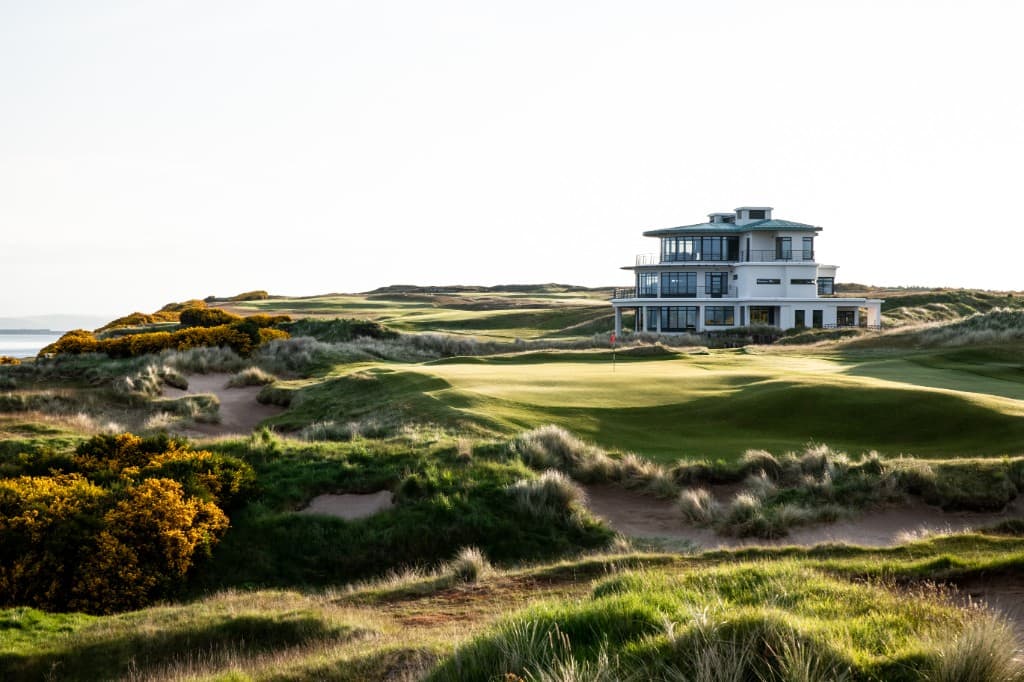
Beyond the Old Course, St Andrews Links operates six other courses: the Castle Course (opened in 2008, with dramatic clifftop views), the New Course (1895, designed by Old Tom Morris), the Jubilee Course, the Eden Course, the Strathtyrum Course, and the Balgove Course. Each offers a different challenge and character, from the historic New Course to the modern Castle Course with its stunning coastal setting. The town's golf heritage is everywhere – from the British Golf Museum to the Swilcan Bridge on the 18th hole of the Old Course, one of the most photographed spots in golf.
For more on Scotland's premier golf destinations, see our guide to Royal Dornoch, Nairn and Castle Stuart.
St Andrews Cathedral ruins
The ruins of St Andrews Cathedral stand as one of Scotland's most dramatic medieval sites. Once Scotland's largest and most important cathedral, it was founded in the 12th century and served as the seat of the Archbishop of St Andrews until the Reformation in 1560. The cathedral was destroyed during the Reformation, leaving only the impressive ruins that dominate the town today. The remaining fragments – including the east gable, parts of the nave walls, and the west front – give a sense of the building's former scale and grandeur.
The cathedral ruins are free to visit and open to the public. The site includes the graveyard, where you can see medieval grave slabs and monuments, and the St Rule's Tower, which dates from the 12th century and offers panoramic views across St Andrews and the North Sea from its summit. The adjacent St Andrews Cathedral Museum houses artefacts from the cathedral's history, including medieval stonework, relics and architectural fragments. The ruins are particularly atmospheric at sunset, when the stone glows in the evening light and the views across the sea are at their most dramatic.
St Andrews Castle
St Andrews Castle sits on a clifftop overlooking the North Sea, just a short walk from the cathedral ruins. The castle was the residence of the bishops and archbishops of St Andrews from the 13th century until the Reformation, and it played a central role in Scotland's religious and political history. The castle was besieged multiple times, including during the Wars of Scottish Independence and the Reformation, and much of it was destroyed during these conflicts. Today, the ruins include the remains of the great hall, towers, and defensive walls, with dramatic views across the sea.
The castle's most famous feature is the bottle dungeon – a deep, bottle-shaped prison carved into the rock beneath the castle. The dungeon was used to hold prisoners, including Protestant reformers during the 16th century. Visitors can also explore the siege tunnels, which were dug during the 1546-47 siege when Protestant reformers held the castle against government forces. The tunnels were an attempt to undermine the castle's defences, and you can walk through sections of them today. The castle's clifftop position and dramatic ruins make it one of St Andrews' most atmospheric historic sites.
University of St Andrews
The University of St Andrews was founded in 1413, making it the third oldest university in the English-speaking world (after Oxford and Cambridge) and the oldest in Scotland. The university's historic buildings are scattered throughout the town, creating a unique campus where medieval and modern architecture coexist. The university's most famous building is St Salvator's Chapel, founded in 1450, which still serves as the university's chapel and is open to visitors. The quadrangle of St Salvator's College is one of the most photographed spots in St Andrews, with its Gothic architecture and historic atmosphere.
The university has a distinguished history and has educated many notable figures, including members of the British royal family. The town's student population gives St Andrews a vibrant, youthful energy, particularly during term time. Visitors can explore the university's historic buildings, including the library, various colleges, and the university museum, which tells the story of the institution's 600-year history. The university's presence is felt throughout the town, from the academic gowns worn by students to the traditions and customs that have developed over centuries.
West Sands Beach
West Sands Beach is the two-mile stretch of golden sand that runs along St Andrews' western edge, made famous by the opening sequence of the film "Chariots of Fire". The beach offers stunning views across the North Sea and towards the Old Course, with the town's historic skyline visible in the distance. The beach is popular for walking, running, and beachcombing, and on clear days you can see across the Firth of Forth to the Lothian coast. The wide, flat expanse of sand makes it ideal for long walks, and the beach is dog-friendly year-round.
The beach is particularly atmospheric at sunrise and sunset, when the light transforms the sand and sea. During the summer months, the beach can be busy with visitors and locals enjoying the coastal setting, while in the winter it offers a more solitary, windswept experience. The beach is easily accessible from the town centre, with parking available nearby, and it forms part of the Fife Coastal Path, which runs along much of the Fife coastline. Whether you're recreating the "Chariots of Fire" run or simply enjoying a coastal walk, West Sands Beach is one of St Andrews' most memorable attractions.
East Neuk of Fife
The East Neuk of Fife is a stretch of coastline east of St Andrews, home to some of Scotland's most picturesque fishing villages. The name "Neuk" means corner or nook in Scots, and the area is characterised by its historic fishing ports, colourful houses, and dramatic coastal scenery. The main villages include Anstruther, Crail, Pittenweem, Elie, and St Monans, each with its own character and charm. These villages were once thriving fishing ports, and many still have active fishing fleets, though tourism and seafood restaurants are now major parts of the local economy.
Anstruther is the largest of the East Neuk villages and is home to the Scottish Fisheries Museum, which tells the story of Scotland's fishing heritage. The village has excellent seafood restaurants, including the famous Anstruther Fish Bar, and a picturesque harbour. Crail is perhaps the most photographed of the villages, with its colourful houses, historic harbour, and dramatic clifftop setting. Pittenweem has a working harbour and an annual arts festival, while St Monans features a historic windmill and a clifftop church. The East Neuk is connected by the Fife Coastal Path, making it easy to walk between villages and enjoy the coastal scenery. The area is known for its fresh seafood, particularly lobster, crab, and haddock, and many of the villages have excellent restaurants serving locally caught fish.
Day trips from St Andrews
St Andrews is an excellent base for exploring Fife and central Scotland. The most popular day trip options include:
- Edinburgh – Scotland's capital, with the Castle, Royal Mile, and Old Town (1.5 hours)
- Glamis Castle – historic castle with connections to Shakespeare's Macbeth (30 minutes)
- Kingdom of Fife – explore more of Fife's historic towns, villages, and coastal scenery
- Private day tours – explore St Andrews and the surrounding area with a dedicated driver-guide
We offer private day tours from Edinburgh that include St Andrews, as well as multi-day Scotland tours with a dedicated driver-guide and luxury vehicle.
Frequently asked questions
- How many days do you need in St Andrews?
- One to two days covers the main attractions – the Old Course, St Andrews Cathedral ruins, St Andrews Castle, and the historic town centre. Add a third day to explore the East Neuk fishing villages and nearby beaches. St Andrews also makes an excellent day trip from Edinburgh (1.5 hours).
- What is the best time to visit St Andrews?
- May through September offers the best weather and longer daylight hours, ideal for exploring the beaches and coastal walks. The golf season runs from April to October, with peak times during the summer months. St Andrews is quieter in the winter but still atmospheric, with dramatic coastal views and fewer crowds.
- Can you play golf at the Old Course in St Andrews?
- Yes, the Old Course is a public course, but advance booking is essential. The ballot system opens 48 hours before play, and there are also advance booking options through the St Andrews Links Trust. The course is closed on Sundays, when it becomes a public park. For more information on Scotland's top golf courses, see our guide to Royal Dornoch, Nairn and Castle Stuart.