
The real Macbeth
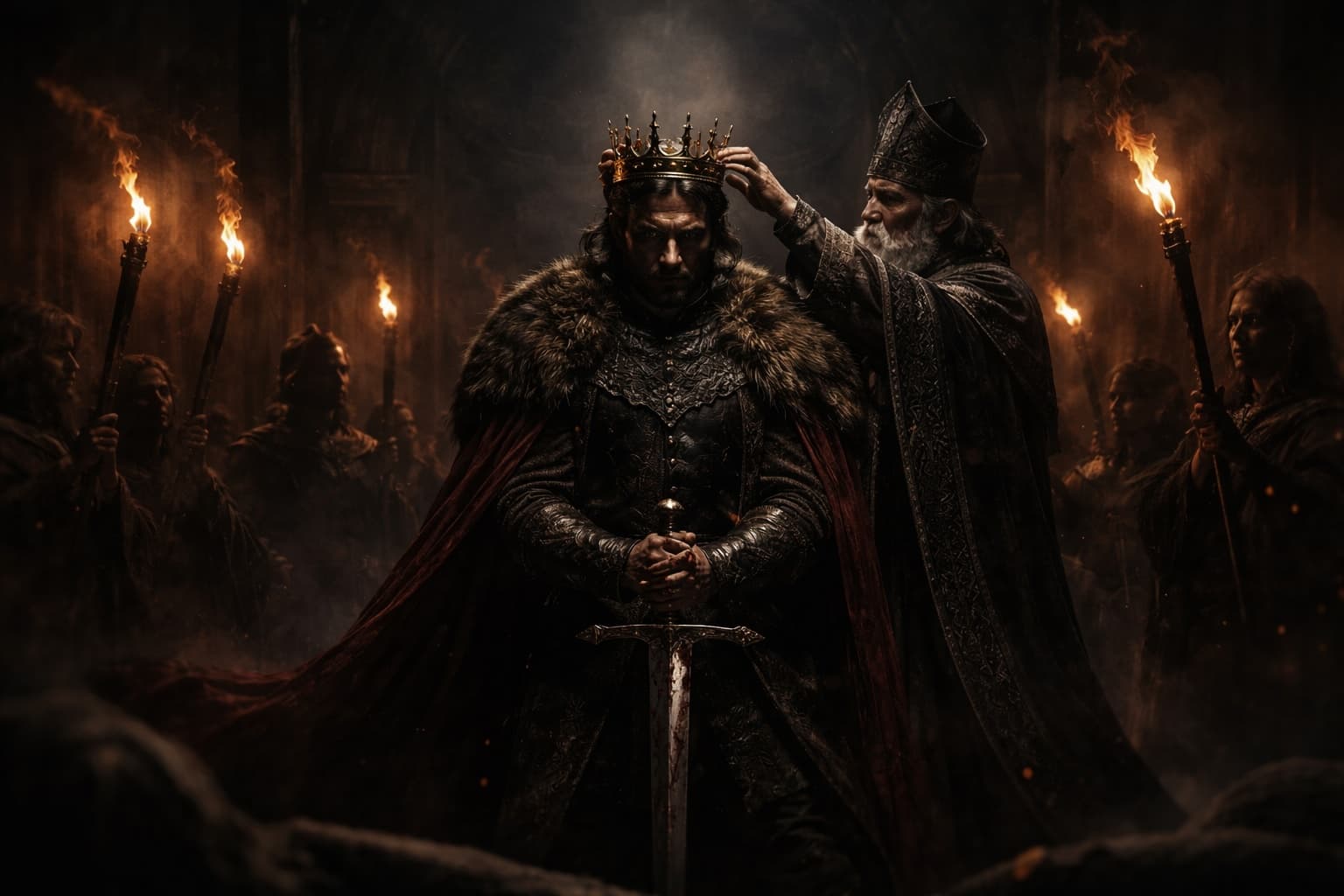
On 14 August 1040, Macbeth mac Findlaech killed King Duncan I at the Battle of Pitgaveny near Elgin and seized the Scottish throne. It is one of the most misunderstood events in Scottish history, thanks almost entirely to William Shakespeare, whose tragic play transformed a competent medieval king into a guilt-racked murderer and his wife into a hand-washing lunatic. The reality was very different.
Duncan I was not the wise, elderly king of Shakespeare's imagination. He was young, rash, and militarily incompetent. He had launched disastrous campaigns against both the English at Durham and the Norse at Moray, suffering humiliating defeats. By 1040, his authority was crumbling. Macbeth, who was Mormaer (roughly, Earl) of Moray and had his own legitimate claim to the throne through his mother – succession in early medieval Scotland often passed through the female line – challenged Duncan and killed him in battle. This was not murder; it was the normal mechanism of royal succession in eleventh-century Scotland, where kings were made and unmade by force of arms.
Macbeth ruled Scotland for seventeen years – a remarkably long reign by the standards of the time, and evidence of considerable political skill. He was secure enough on his throne to leave Scotland for several months in 1050 to make a pilgrimage to Rome, where he reportedly "scattered money like seed to the poor." No Scottish king in desperate political straits would have dared leave his kingdom for that long. His reign appears to have been peaceful and prosperous.
Macbeth was finally defeated and killed by Duncan's son Malcolm at the Battle of Lumphanan in Aberdeenshire on 15 August 1057. Malcolm became Malcolm III – known as Malcolm Canmore – and his dynasty would rule Scotland for the next two centuries. Macbeth was buried on the sacred island of Iona, the traditional resting place of Scottish kings – an honour that would not have been given to a tyrant. Shakespeare's play is magnificent literature, but as Scottish history it is almost entirely wrong. The real Macbeth deserves better.